After a tornado damages your East Tennessee home
Strong tornadoes are rare in the Knoxville area but do happen. What to do after a tornado damages your roof, what insurance covers, and East Tennessee's EF2-and-stronger tornadoes since 2006.
Last reviewed against official sources. General information, not insurance or legal advice.
Wait until it is safe, avoid downed lines and gas leaks, photograph everything before cleanup, tarp and board openings, keep receipts and report the claim. Homeowners policies generally cover tornado damage as wind damage, subject to your deductible. In Tennessee, also note your policy's suit limitation clause.
The NOAA Storm Events Database lists 24 tornado records in Knox, Blount, Sevier, Anderson and Loudon counties from 2006 through 2025. The strongest was an EF4 near Chilhowee in Blount County on April 27, 2011, during the historic Southeast outbreak. An EF3 hit near Kiser in Blount County on March 23, 2011, and an EF2 struck the Byrds Chapel area of Knox County on August 7, 2023.
Is it safe?
Short answer: not until officials say so. Damaged buildings can shift, and debris hides wires and gas leaks.
- Wear boots, gloves and long sleeves.
- Stay clear of downed lines and report them.
- Leave if you smell gas.
- Use flashlights, not candles.
- Keep generators outside.
What the damage looks like
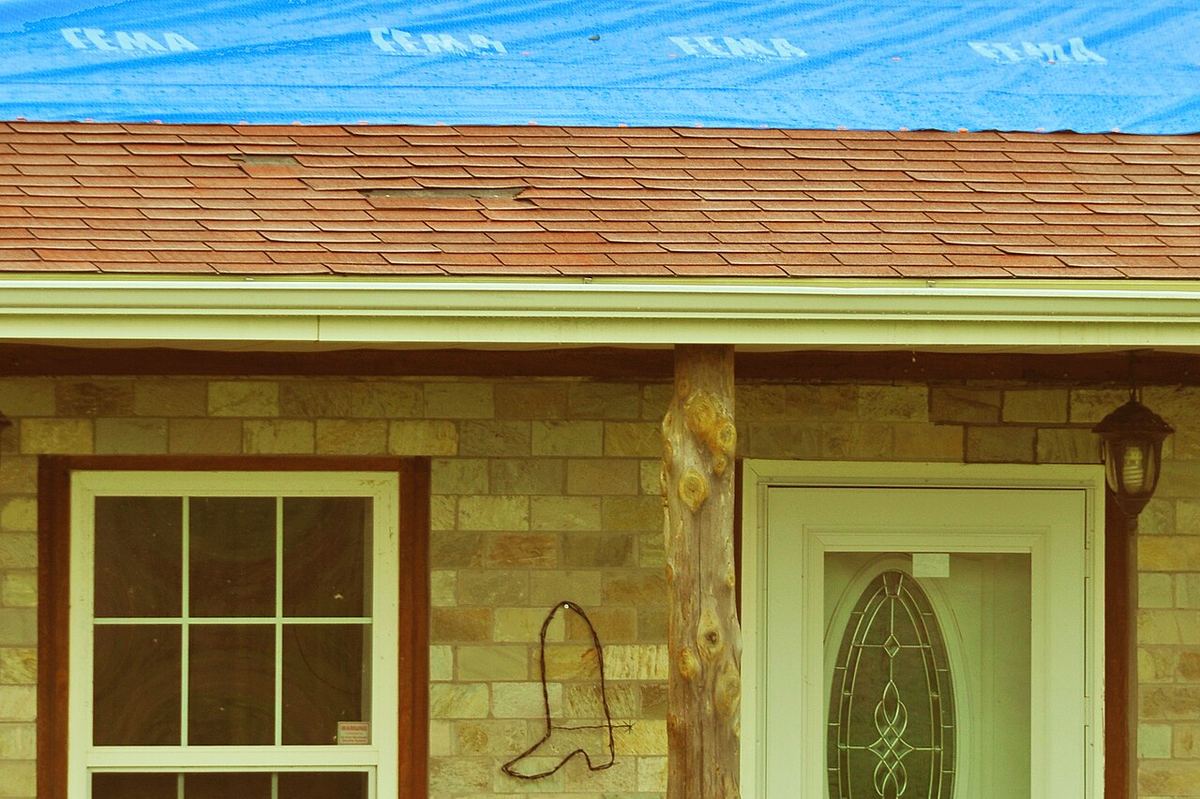
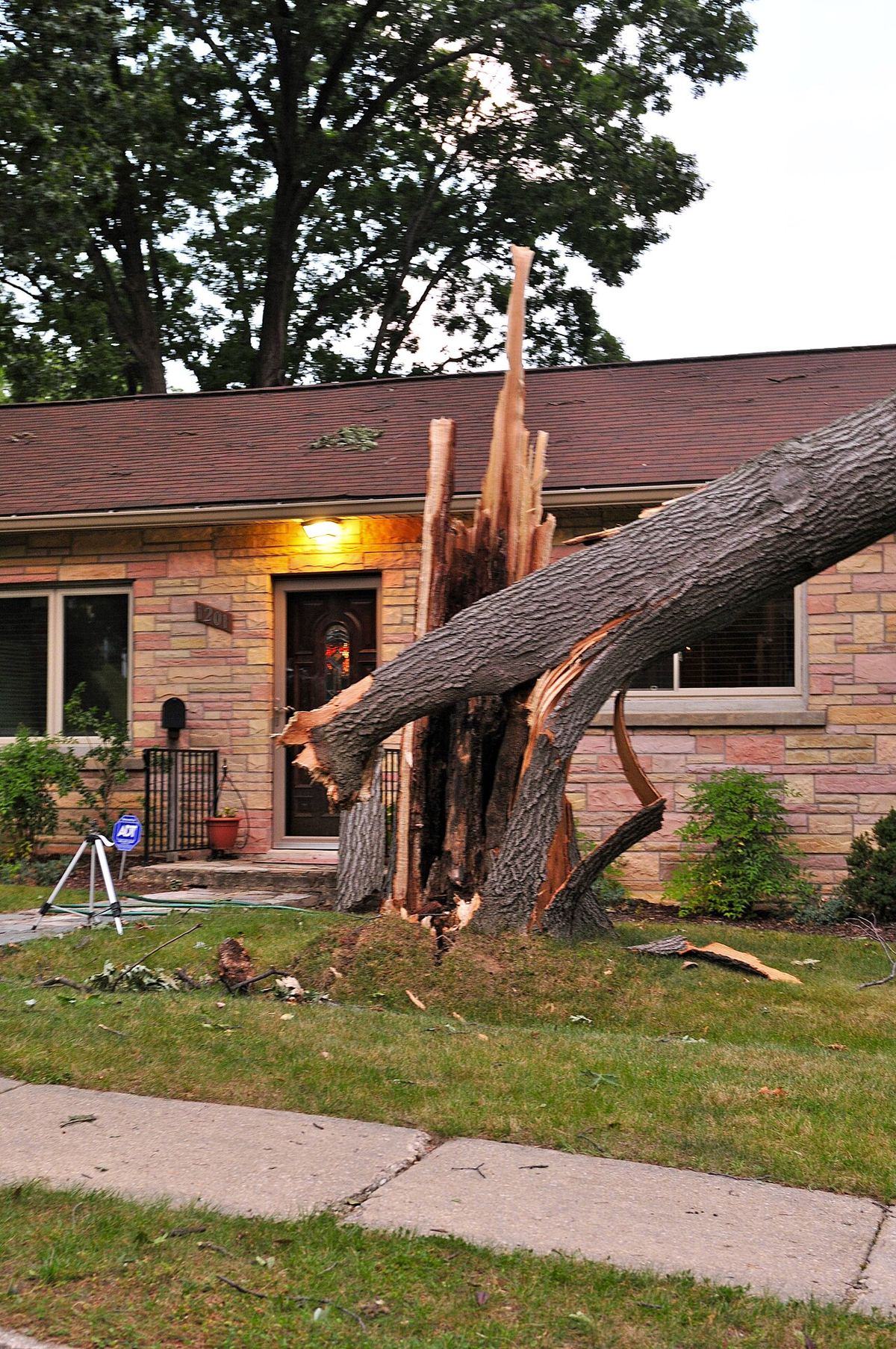
Damage can range from lifted shingles to a missing roof. On wooded valley and foothill lots, falling trees often cause the worst damage. The National Weather Service rates tornadoes on the Enhanced Fujita (EF) scale from a damage survey; even EF0 and EF1 winds (estimated 65 to 110 mph) can strip roofs and topple trees.
Is it covered?
Short answer: generally yes, as wind damage, subject to your deductible.
Coverage usually includes the house, outbuildings, belongings, debris removal (often with a limit) and additional living expense. Tree removal may be covered when a tree damages a covered structure, usually with a limit. See tree on roof and reading your policy.
Documenting
- Video every room and side of the house before moving anything.
- Photograph trees and debris on the house.
- List damaged belongings.
- Save the NWS Morristown damage survey; the Storm Center lists recent reports.
- Keep receipts for tarps, boards, tree work and lodging.
Tarps and trees
Cover openings to keep rain out. Hire a tree service for trees on the house, and photograph before and after. Keep or photograph debris the adjuster may want to see.

East Tennessee tornado history
Blount County's foothill communities have had three of the area's four EF2-or-stronger tornadoes since 2006, including an EF2 near Lanier on April 25, 2010.
NOAA's Storm Events Database lists 24 tornado records in the five counties since 2006 (a tornado crossing a county line counts in each). EF2 or stronger: April 25, 2010 (EF2, Blount County); March 23, 2011 (EF3, Blount County); April 27, 2011 (EF4, Blount County); August 7, 2023 (EF2, Knox County).
Aid and fraud
After a federal disaster declaration, apply for FEMA help at DisasterAssistance.gov. Check every contractor; see storm chaser warning signs.
East Tennessee tornadoes in detail
NOAA's records give a sense of what the area's strongest tornadoes did:
- March 23, 2011, Blount County (EF3): 140 mph winds on a 5.8-mile path up to 500 yards wide. Twenty-six homes were damaged from 50 percent to completely destroyed.
- April 27, 2011, Blount County (EF4): part of the April 2011 outbreak. NWS survey teams found 170 mph winds that wrecked a TVA transmission tower at Chilhowee Lake and flattened miles of forest in Cherokee National Forest and Great Smoky Mountains National Park.
- August 7, 2023, Knox County (EF2): a 3.7-mile path from Yarnell Road past the Lovell Crossing apartments and across Pellissippi Parkway to Middlebrook Pike. Many roofs had partial roof loss and lifted decking, and NOAA estimated $3.7 million in property damage.
What decking uplift means for your claim
When wind lifts roof decking, the damage goes beyond shingles: nails pulled up, sheathing loose or gone, and sometimes trusses shifted. The estimate should include new decking and framing repair where needed, plus interior damage from water. Ask your roofer to photograph the deck once shingles are off.
Frequently asked questions
Does homeowners insurance cover tornado damage in Tennessee?
Generally yes, as wind damage, subject to your deductible.
Who removes a tree from my roof?
A professional tree service. Many policies cover removal from a covered structure, up to a limit.
What does EF4 mean?
An Enhanced Fujita rating of roughly 166 to 200 mph estimated wind, assigned after a National Weather Service survey.
Has an EF4 tornado hit near Knoxville?
Yes. On April 27, 2011, an EF4 tornado with winds of about 170 mph crossed Blount County, mostly through forest near Chilhowee Lake and the Smokies, according to NOAA.
Policies vary. Check your own policy and ask your insurer or agent about anything that affects your claim. Laws and rules can change; this page reflects official sources as of October 29, 2026. KnoxvilleRoof.com is not a contractor, insurer, adjuster or law firm.
Find local help
Roofing contractors serving Knoxville and East Tennessee · Ask for storm help · Counties and towns